Why Hands-On Learning Sticks (and Why Kids Need It More Than Ever)

Have you ever noticed how much more you remember when you do something instead of just reading about it?
It’s the difference between watching a cooking show… and actually getting flour on your hands.
That’s the quiet magic of hands-on learning. When children are involved — touching, testing, building, wondering — their brains light up in ways passive learning never quite reaches. Learning stops being something that happens to them and becomes something they participate in.
At SproutEd, we see this again and again: when learning is active, meaningful, and embodied, it lasts.
Why Doing Beats Watching (Every Time)
Hands-on learning engages more than just the eyes and ears. It invites the whole child in.
When children see, touch, move, smell, measure, and experiment, their brains form richer connections. These multi-sensory experiences anchor learning deeply — like roots taking hold in good soil.
Think about learning how plants grow.
Reading about photosynthesis = useful
Planting a seed, watering it, watching it sprout = unforgettable
When children do, they become explorers, creators, and problem-solvers — not just information collectors.
Hands-on learning also:
builds confidence through real effort and visible results
encourages curiosity (“What happens if…?”)
normalises trial and error as part of learning
supports language and critical thinking through explanation and reflection
In short: it helps children understand the world, not just memorise it.

How Hands-On Learning Strengthens Memory & Understanding
Passive learning tends to fade quickly. Hands-on learning sticks — because it creates multiple pathways in the brain.
When children build, test, create, or move, they’re:
linking ideas to physical action
receiving immediate feedback
adjusting, retrying, and refining
This is how real understanding develops.
It’s why:
building a model teaches more than a diagram
cooking teaches maths more effectively than worksheets
experimenting teaches science better than definitions alone
Mistakes aren’t failures here — they’re information. And that mindset is powerful.

Hands-On Learning Ideas by Age Group
Here’s where things get practical. Below are age-grouped activity ideas, with free or low-cost resources you can dip into as needed.
🌱 Sprouts (Early Years / Little Kids)
At this stage, learning is sensory, playful, and grounded in everyday experiences. Little learners thrive when they can touch, move, explore, and repeat.
Great hands-on ideas:
sensory bins (rice, sand, water, leaves, seeds)
colour mixing with paints or food colouring
nature walks with collecting baskets
pouring, scooping, sorting, stacking
simple gardening tasks
tactile table work using resources like Ocean-Themed Playdough Mats to strengthen fine motor skills while talking about shapes, patterns, and sea life
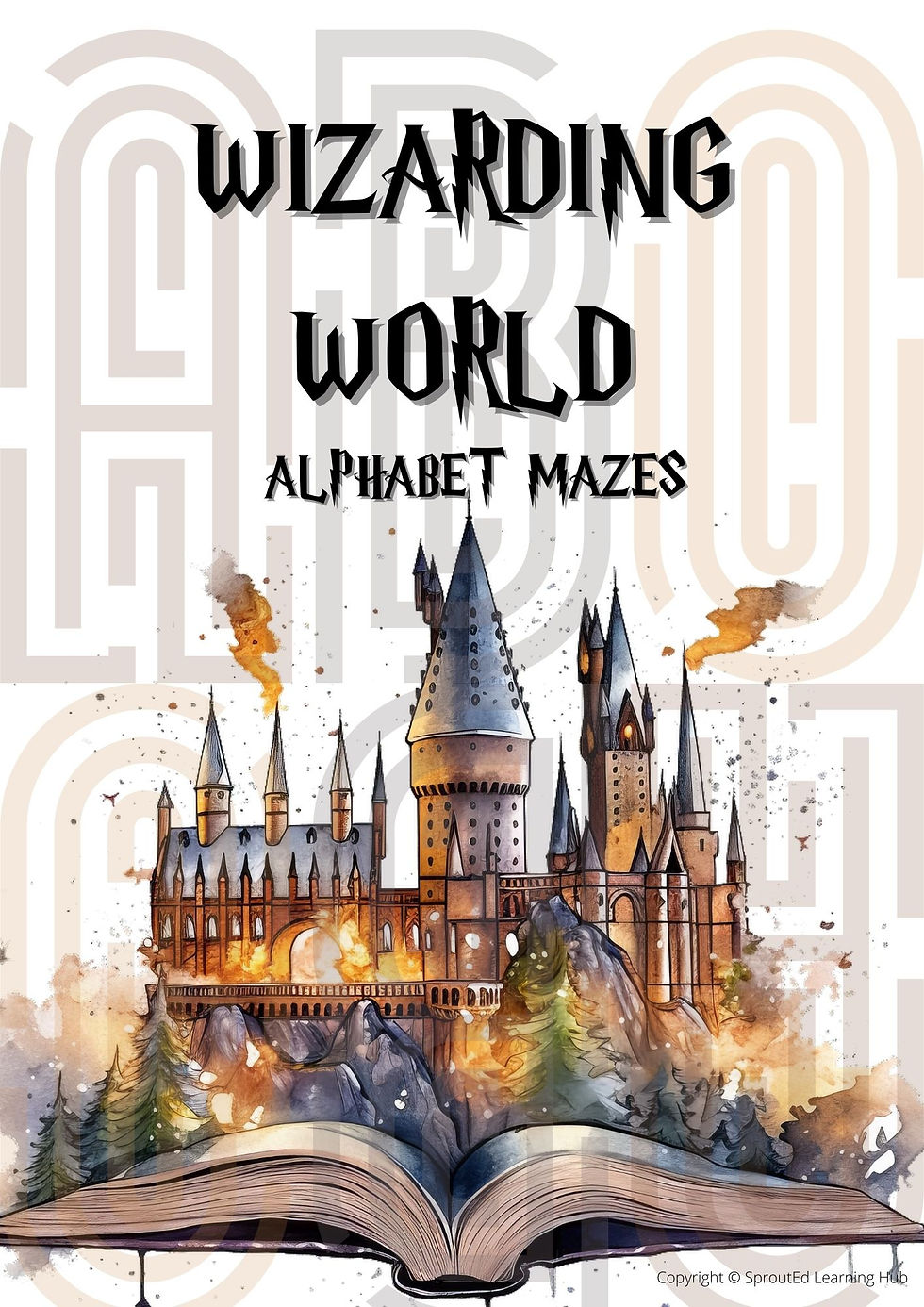
early literacy play with Wizarding World – Alphabet Mazes, where letter recognition is supported through movement, tracing, and visual problem-solving
At this age, the goal isn’t mastery — it’s exposure, language, confidence, and joy. Simple printables work best when paired with open-ended play and conversation.
🌿 Seedlings (Primary Aged)
Primary-aged children are full of questions and ready to experiment. Hands-on learning here becomes more intentional, while still staying playful and flexible.
Great hands-on ideas:
simple science experiments (sink/float, magnets, crystals)
cooking and baking (measurement, sequencing, fractions)
nature journaling and observation
building challenges (LEGO, recycled materials, kits)
art projects using mixed media
imaginative STEM builds using Wizarding World LEGO Challenge Cards to prompt design thinking, problem-solving, and creative construction
inquiry and reflection using the Wilderness Survival Journal – Bush Tucker Edition to explore ecology, survival skills, and Australian environments
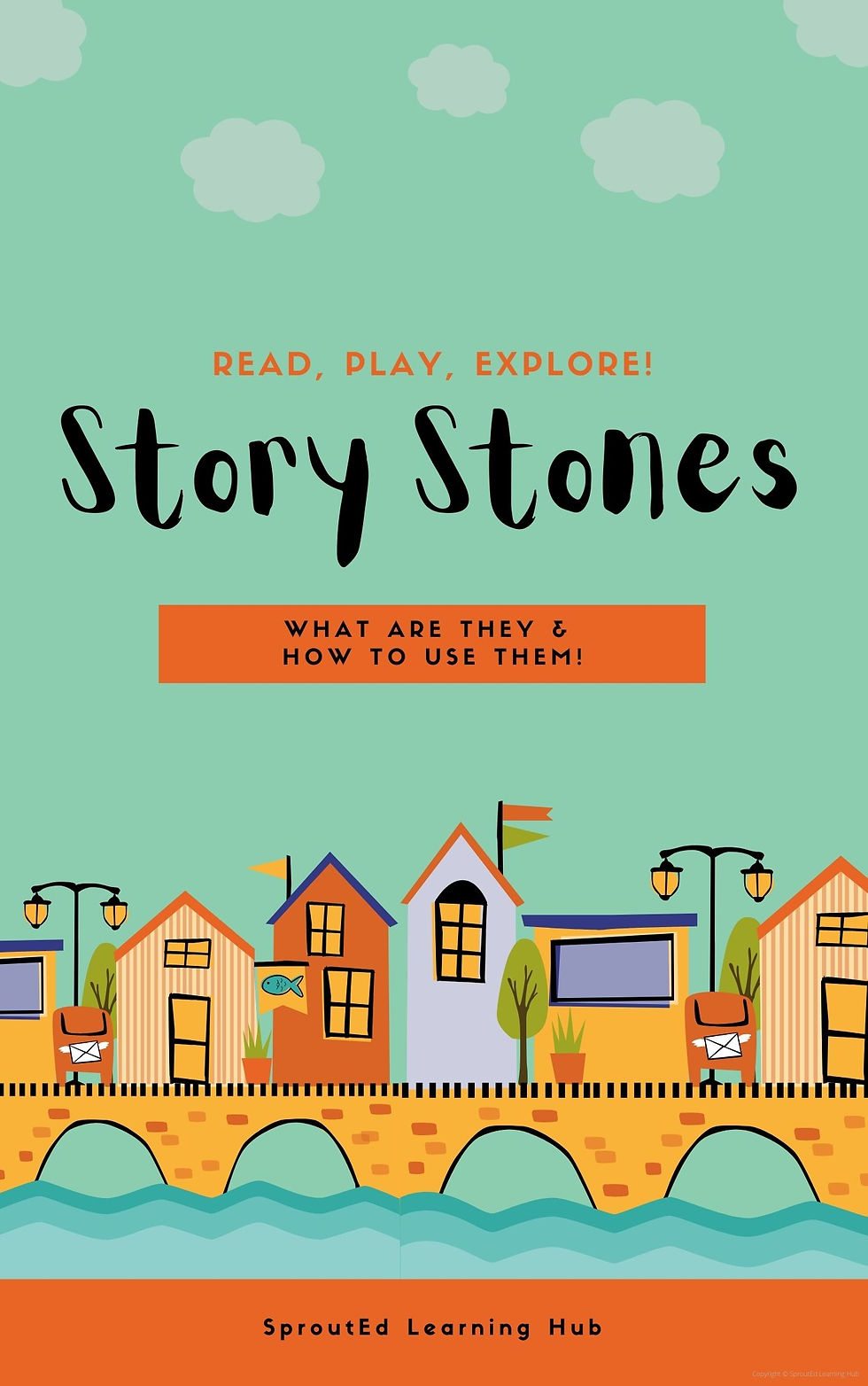
storytelling and oral language development with the Story Stones Guide, where children create, tell, and record their own stories
world exploration using the Famous Landmark Cards Bundle
How the Famous Landmark Cards can be used: These cards are wonderfully versatile. Children can:
locate landmarks on a map or globe
research a landmark and create a short fact page or mini presentation
build landmarks using LEGO, recycled materials, or clay
use the cards as story prompts (“Who lives here? What happens next?”)
compare landmarks by country, climate, or purpose
They work beautifully as a springboard for geography, history, literacy, and creative projects — especially when paired with hands-on building or journaling.
🌳 Saplings (Teens)
Teens benefit most from hands-on learning that feels purposeful, challenging, and connected to real-world skills. This is where project-based learning really shines.
Great hands-on ideas:
project-based learning (design, build, test, present)
woodworking, maker projects, or craft skill-building
gardening or sustainability projects
budgeting, meal planning, or small business ideas
storytelling, filmmaking, or podcast creation
extended inquiry using Learning with LEGO – Desert Survival Challenge (Complete Unit Bundle), blending STEM, geography, teamwork, and strategic thinking
game-based logic and collaboration with Wizarding World Playing Cards – Complete Bundle, which can be used for strategy games, probability discussions, or student-designed rule variations
deeper reflection and planning supported by the Wilderness Survival Journal – Bush Tucker Edition, encouraging documentation, analysis, and real-world problem solving
For Saplings, hands-on learning isn’t about “keeping them busy” — it’s about giving them tools, challenges, and space to think deeply and independently.
Making Hands-On Learning Work in Real Life
Hands-on learning doesn’t require expensive kits, Pinterest-perfect setups, or endless preparation.
Some of the best learning happens when you:
sort the laundry
cook dinner together
fix something that’s broken
organise a space
plan a garden or event
Start small. Use what you have. Invite children into real work.
One of the most powerful shifts is letting children help plan their learning:
“What do you want to try?”“What are you curious about?”“How could we figure that out?”
Ownership changes everything.
Why Hands-On Learning Is the Future
In a fast-changing world, children need more than information. They need:
adaptability
critical thinking
creativity
resilience
Hands-on learning nurtures these naturally. It teaches children that effort matters, mistakes are useful, and learning is something they do — not something that’s done to them.
And perhaps most importantly, it keeps curiosity alive.
Every family’s learning journey looks a little different. Take what resonates, adapt what you need, and explore the ideas and resources linked above in a way that fits your home.
Let Curiosity Bloom 🌱
Whether you’re planting seeds, building projects, cooking together, or creating something new, hands-on learning turns education into a lived experience.
It invites children to engage deeply, ask questions freely, and learn with their whole selves.
Why settle for boring when learning can be an adventure?
Let’s keep growing — together.
Resources Used in this Post
All resources are designed to support hands-on, flexible learning and can be used independently or adapted across age groups.




Many of these resources grow with your child — the same tools can be revisited, extended, and reimagined as learning deepens.


Comments